Conditions
About a quarter of all people with periods suffer from menstrual irregularities. Here, I'll name a few.

PMOS (f.k.a. PCOS)
Polyendocrine Metabolic Ovarian Syndrome
Up to 25% of menstruators
PMOS is an incurable hormonal health issue that starts to show signs as soon as someone gets their period. The exact cause is unknown.
Some Symptoms
-
Irregular periods
-
Hirsutism
-
Obesity
-
Infertility
Raises Risk For
-
Diabetes
-
High blood pressure
-
Cardiovascular disease
PMOS can cause small cysts, called follicles, to grow on the ovaries. These differ from ovarian cysts, which if ruptured, can cause severe pain.
Although PMOS is incurable, the main way to lessen symptom severity is through weight loss. However, due to the nature of the illness, it is incredibly difficult for patients to lose weight, so it is likely that symptoms will persist until menopause.
Endometriosis
Up to 10% of menstruators
This is an often-painful condition in which tissue that is similar to the inner lining of the uterus grows outside the uterus.
Some Symptoms
-
Painful periods, sex, bowel movements and urination
-
Excessive bleeding
-
Infertility
-
Severe pain regularly
Risk Factors
-
Starting a menstrual cycle at a young age or menopause at an older age
-
Heavy menstrual periods or short menstrual cycles
-
Low BMI (although BMI is an outdated term)
Endometriosis symptoms can sometimes seem like other conditions that can cause pelvic pain, such as IBS. This makes it harder for health care teams to find the exact cause of symptoms.
Treatment for endometriosis often starts with medication (pain medicine or hormone therapy), but if medication is ineffective, then the only other option is surgery. The last resort is a hysterectomy with removal of the ovaries.


Uterine Fibroids
Up to 80% of menstruators
These are common uterine growths which appear during years of menstruation. Sizes vary, but some can grow to the size of a grapefruit or larger.
Some Symptoms
-
Heavy menstrual bleeding or painful periods
-
Pelvic pressure or pain
-
Growing stomach area
-
Constipation/issues with urinating
Causes
-
Gene changes
-
Hormones
-
Other growth factors
Uterine fibroids often aren't dangerous. However, they can cause pain, and they may lead to complications. These include anemia, which can cause fatigue from heavy blood loss.
Researchers are continuing to study the causes of fibroid tumors, although more research is needed on how to prevent them. In fact, it might to be possible to prevent them at all.
Gynecologic Cancers
Roughly 12.4% of all new cancer cases in menstruators
This is a disease where cells in a menstruator’s reproductive organs grow out of control.
Some Symptoms
-
Abnormal vaginal bleeding/discharge
-
More frequent/urgent need to urinate and/or constipation
-
Pelvic pain or pressure
Five main types
-
Cervical
-
Ovarian
-
Uterine
-
Vaginal
-
vulvar
Gynecologic cancers have many different treatments, depending on the kind and severity of the cancer.
Treatments can include surgery, chemotherapy, or radiation therapy


HIV
Roughly 53% of all people living with HIV are menstruators
HIV is the name of a virus that attacks the body’s immune system; which if untreated will eventually progress to AIDS.
Some Symptoms
-
Flu-like symptoms
-
Weight loses
-
Rash
-
Swollen lymph nodes
Can Cause
-
Tuberculosis
-
Cryptococcal meningitis
-
Severe bacterial infections
-
Cancers such as lymphomas and Kaposi’s sarcoma
There is no cure for HIV infection. It is treated with antiretroviral therapy, which stops the virus from replicating in the body. ART must be taken every day for the rest of a person’s life.
It is more common for menstruators to contract HIV through vaginal sex than non-menstruators.
Pelvic Inflammatory Disease
Affects about 5% of menstruators in the US
PID is an infection of the reproductive organs of menstruators. It often happens when sexually transmitted germs spread from the vagina to the uterus.
Some Symptoms
-
Pain in lower belly and pelvis
-
Heavy/unusual/odorous discharge
-
Bleeding from vagina between periods
-
Fever
Complications
-
Ectopic pregnancies
-
Trouble getting pregnant
-
Chronic pelvic pain
-
Tubo-ovarian abscess
Fast treatment with medicine can get rid of the infection, but there is no way to fix scarring or other damage to the reproductive tract.
Surgery is rarely needed, but should an abscess threaten to burst or burst, a healthcare professional might drain it. Surgery might also be done if there is no response to antibiotic treatment.

Primary Ovarian Insufficiency
Affects roughly 1-4% of menstruators worldwide
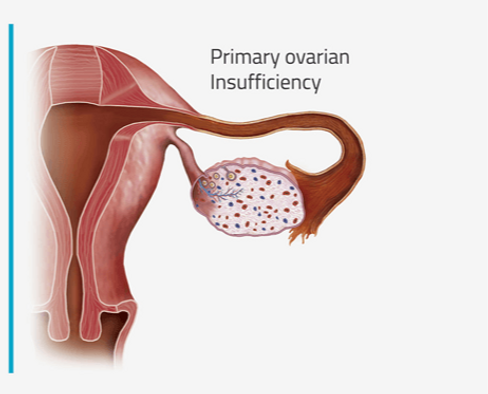
This occurs when ovaries stop working as they should before the age of 40–meaning the ovaries don’t make the typical amounts of estrogen or release eggs regularly.
Some Symptoms
-
Irregular or missed periods
-
Hot flashes/night sweats
-
Trouble getting pregnant
-
Anger, depression, or anxiety
Complications
-
Infertility
-
Osteoporosis
-
Dementia
-
Parkinson’s disease
Most often, treatment for this condition focuses on the lack of estrogen. Treatments may include estrogen therapy or calcium and vitamin D supplements.
However, no treatment is proven to restore fertility. Some people resort to IVF, though.
Ovarian Torsion
3% of all menstruators
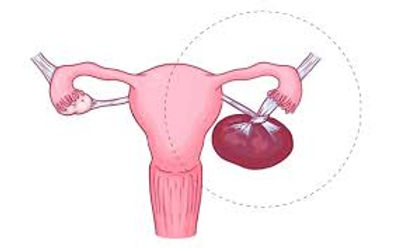
This is a medical emergency where one of the ovaries twists on the tissues supporting it. This can cut off the blood supply to the affected ovary, which, if untreated, can lead to the ovary’s death.
Some Symptoms
-
Moderate to sever pain in lower stomach
-
Nausea and vomiting
-
Fever
-
Abnormal vaginal bleeding or discharge
What ovarian torsion feels like
-
Sharp and stabbing/dull and crampy
-
Located through lower belly or only on affected side (usually right)
-
Isolated to lower belly or spreading to thighs, sides, and lower back
-
Constant or intermittent
Surgeons treat torsion by untwisting the ovary. They may also remove cysts. Normally, the ovary is able to be saved.
Most often surgeons perform laparoscopy to treat ovarian torsion (a few small cuts where a laparoscope will be inserted, and then the ovary will be untwisted if necessary). Sometimes, however, open surgery will be needed; and in severe cases the ovary will have to be removed.